When markets become extended near cyclical or all-time highs, the probability of a corrective pullback typically increases. For options traders and long-term investors alike, the objective is not to precisely time market reversals, but rather to implement strategies that safeguard capital, preserve portfolio stability, and maintain consistent income streams. Below is a structured overview of strategic hedging and short-bias approaches applicable to both options trading positions and long-term equity holdings.
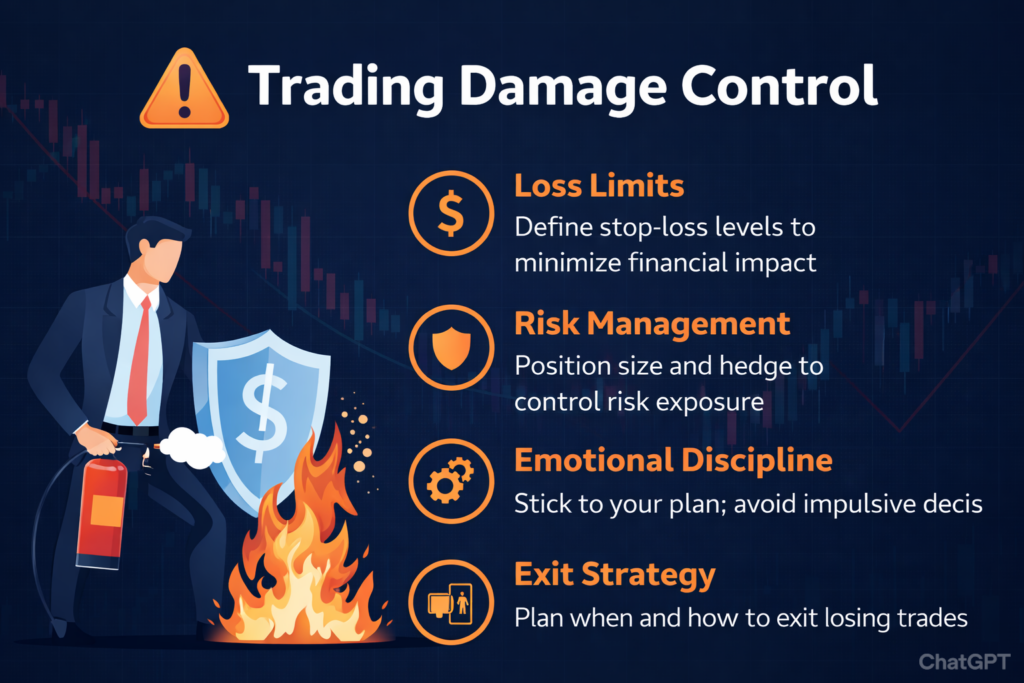
1. Protecting Your Buy-and-Hold Trades (Long Stock Positions)
If you own shares and want to hedge against a correction, here are a few common strategies:
Protective Puts (Direct Hedge)
- Buy puts on the stock or index you own (e.g., SPY puts if you hold a broad portfolio).
- This gives you the right to sell at a set price, capping downside while still allowing upside if the market keeps running.
- Downside: it costs premium (like insurance).
Collars (Low-Cost Hedge)
- Hold stock + buy a protective put + sell a covered call.
- The call premium helps finance the put, reducing cost.
- Downside: upside is capped at the call strike.
Inverse ETFs (Quick Hedge)
- Buy an inverse ETF (e.g., SH = short S&P 500, PSQ = short Nasdaq, etc.) as temporary protection.
- Easy, no options complexity.
- But they decay over time, so best for short-term hedging, not long-term holding.
2. Protecting Your Option Income Trades
If you’re running covered calls, cash-secured puts, or spreads, a market correction can hurt more than your long shares. Here’s how to prepare:
For Covered Calls
- You’re somewhat protected already (premium reduces cost basis).
- If expecting a correction, write calls closer to the money or on weaker stocks you don’t mind losing. This gives you bigger premiums and some downside cushion.
For Cash-Secured Puts
- This is where corrections bite. To hedge:
- Buy out-of-the-money puts on the index (cheap insurance).
- Or shift your put selling to lower delta strikes (further OTM), accepting smaller income for greater safety.
Put Spreads Instead of Naked Puts
- If you sell puts, consider making them bull put spreads (sell a put, buy a further OTM put).
- This limits max loss if the stock tanks.
VIX Calls (Volatility Hedge)
- Market drops = volatility spikes. Buying cheap VIX calls or call spreads can offset losses from falling stocks.
3. Shorting the Market Directly
If you want to go beyond hedging and actually profit from a downturn:
- Buy Index Puts (SPY, QQQ, DIA, IWM).
- Bear Put Spreads (buy a put, sell a lower strike put to reduce cost).
- Call Credit Spreads (sell calls above the market).
- Futures or Inverse ETFs for more aggressive shorting.
Bottom line:
- For long-term holdings → Protective puts or collars.
- For options income trades → Shift to spreads, lower deltas, or index hedges.
- For shorting opportunities → SPY/QQQ puts, bear spreads, or VIX calls.
let’s build a step-by-step hedge plan assuming you’ve got a mixed portfolio with:
- Buy-and-hold shares (long-term positions)
- Covered calls (income against stock)
- Cash-secured puts (income + stock acquisition strategy)
We’ll layer protection in a way that covers each piece without overpaying for insurance.
Hedge Plan for a Mixed Portfolio
1. Buy-and-Hold Shares
Risk: Market correction drags portfolio value lower.
Protection Options:
- Protective Index Puts
- Buy SPY or QQQ puts ~3–6% OTM (1–3 months out).
- Example: If SPY = 550, buy the 530 puts expiring in 60 days.
- This caps downside while letting shares run higher.
- Collars (if you’re comfortable capping upside)
- Buy SPY 530 put + Sell SPY 570 call (same expiry).
- Little to no net cost, downside limited, upside capped.
This is like buying insurance on your core holdings.
2. Covered Calls
Risk: If market drops hard, stock declines faster than the call premium can offset.
Adjustments:
- Write Calls Closer to the Money
- Capture more premium now, building cushion if prices fall.
- E.g., instead of writing at +10% OTM, write at +5%.
- Roll Calls Down During a Drop
- If market dips, buy back your short calls (cheap now) and re-sell at a lower strike.
- Locks in extra premium as protection.
This turns covered calls into a shock absorber in a correction.
3. Cash-Secured Puts
Risk: Assigned shares at a much higher price if market corrects.
Adjustments:
- Switch to Bull Put Spreads
- Instead of selling naked $100 puts, sell $100 put and buy $90 put.
- You still collect income, but max loss is capped.
- Sell Lower Delta Puts
- Target 15–20 delta strikes instead of 30+.
- Less premium, but higher probability of safety.
- Hedge with VIX Calls
- Buy cheap VIX call spreads 2–3 months out.
- Example: Buy VIX 20 call / Sell VIX 30 call.
- When markets crash, volatility spikes = your hedge pays.
This keeps income flowing while reducing assignment risk.
4. Portfolio-Level Hedge
Rather than hedging trade by trade, sometimes it’s cheaper to hedge the whole book:
- Buy SPY/QQQ Put Spreads
- Example: Buy SPY 540 put / Sell 510 put (2 months out).
- Defined cost, broad protection.
- Inverse ETF Hedge (short-term only)
- If you want quick protection, buy SH (short S&P) or PSQ (short Nasdaq).
- Scales easily, no options management.
Final Blueprint
- Buy-and-Hold: Hedge core stocks with SPY puts or collars.
- Covered Calls: Write closer strikes + roll down in corrections.
- Cash-Secured Puts: Use spreads + lower deltas + VIX hedges.
- Portfolio Hedge: Add index put spreads for broad coverage.
let’s walk through a live-style hedge plan using real tickers, with the assumption you’ve got about a $100,000 portfolio split across:
- 40% Buy-and-Hold (AAPL + MSFT long stock)
- 30% Covered Calls (income against your holdings)
- 30% Cash-Secured Puts (income + potential stock acquisition)
Lets now, map out actual option setups using today’s market levels (approx. August 2025 values — rounded for clarity):
- SPY ~ 550
- AAPL ~ 230
- MSFT ~ 480
- VIX ~ 16 (low, so cheap to buy volatility protection)
Step-by-Step Hedge Example
1. Buy-and-Hold Protection
You own ~180 shares of AAPL and ~80 shares of MSFT.
- SPY Protective Put Hedge
- Buy SPY Oct 530 Put @ ~$10.50 (1 contract ≈ $1,050 cost).
- Each contract protects ~$55,000 notional.
- Buy 2 contracts = $2,100 spent = ~2% insurance cost on your portfolio.
- If SPY drops 10% (to ~495), those puts could be worth $3,000–$4,000 each, offsetting losses.
This protects your core long holdings against a broad correction.
2. Covered Calls (Income + Cushion)
You hold AAPL + MSFT long.
- AAPL Covered Call
- Sell AAPL Oct 240 Call @ ~$6.00
- Collects $600/contract. If AAPL rallies past $240, you cap gains but keep premium.
- Premium provides ~2.5% downside buffer.
- MSFT Covered Call
- Sell MSFT Oct 500 Call @ ~$7.50
- Collects $750/contract.
- Premium gives ~1.6% downside cushion.
If market corrects, you lose less on stock because you already pocketed premium.
3. Cash-Secured Puts (Income with Safety)
Let’s say you sell puts on high-quality stocks you’d like to own lower.
- AAPL Bull Put Spread
- Sell AAPL Oct 210 Put @ ~$4.00
- Buy AAPL Oct 190 Put @ ~$1.50
- Net credit: $2.50 ($250 per spread).
- Max loss capped at $1,750 vs. unlimited with naked puts.
- MSFT Bull Put Spread
- Sell MSFT Oct 450 Put @ ~$6.00
- Buy MSFT Oct 420 Put @ ~$2.50
- Net credit: $3.50 ($350 per spread).
- Max loss capped at $2,650 per spread.
Still collect premium, but you’re no longer naked — losses are capped if correction is deep.
4. Portfolio Hedge with Volatility
Since corrections = volatility spikes, we add VIX calls.
- VIX Hedge
- Buy VIX Oct 20 Call @ ~$1.20
- Buy 5 contracts = $600 cost.
- If VIX jumps to 35–40 during correction, calls could be worth $4–$8 each = $2,000–$4,000 hedge profit.
This offsets pain from your income trades (puts + covered calls).
Summary of Hedge Plan
- Insurance Cost: ~$2,100 (SPY puts) + $600 (VIX calls) = $2,700 (~2.7% of portfolio)
- Income from Covered Calls + Spreads:
- AAPL call: +$600
- MSFT call: +$750
- AAPL spread: +$250
- MSFT spread: +$350
- Total Income: +$1,950
Net effect = you’ve nearly paid for the insurance with income trades.
- If market rises: You make income from calls/spreads, upside capped but still profitable.
- If market falls: SPY puts + VIX calls spike in value, covering portfolio drawdown.
let’s scale this down to a $50,000 portfolio.
We’ll keep the same structure (Buy-and-Hold + Covered Calls + Cash-Secured Puts), just reduced in size so the hedges fit better.
protecting and hedging with small accounts ($10K–$20K) is a different game.
You don’t have room for big naked puts or holding 100+ shares for covered calls. Instead, you need capital-efficient strategies that:
- Keep risk defined
- Use spreads instead of naked options
- Focus on index-based hedges (one trade covers your whole account)
Hedge Plan for Small Accounts ($10K–$20K)
Assumptions
- Portfolio ~$15K (in between)
- Mix of long stocks/ETFs + option income trades
- Market at highs, risk of correction
1. Core Long Positions (Buy-and-Hold)
Instead of hedging with single-stock puts (too expensive), use index puts:
- SPY Hedge Example
- Buy SPY Oct 530 Put @ ~$10.50
- Cost: $1,050 — too large for $10K, but OK for $20K.
- For $10K, use SPY Put Spreads:
- Buy SPY Oct 530 Put @ ~$10.50
- Sell SPY Oct 500 Put @ ~$5.50
- Net cost: ~$500 per spread.
- Still gives $2,500 hedge potential if SPY tanks.
Keeps insurance affordable.
2. Covered Calls (Small Accounts Can’t Always Do These)
With <100 shares, you can’t run covered calls — so you substitute:
- Call Credit Spreads
- Instead of selling a naked call, sell a bear call spread above market.
- Example (AAPL @ 230):
- Sell AAPL Oct 240 Call @ ~$6.00
- Buy AAPL Oct 250 Call @ ~$3.00
- Net credit = $3.00 ($300 per spread).
- Risk defined = $700 max loss.
Acts like a covered call but with smaller account sizing.
3. Cash-Secured Puts (Income)
Naked puts are too big for $10K–$20K, so use bull put spreads:
- MSFT Bull Put Spread (MSFT @ 480):
- Sell MSFT Oct 450 Put @ ~$6.00
- Buy MSFT Oct 430 Put @ ~$2.50
- Net credit = $3.50 ($350 per spread).
- Max loss = $1,650.
Still generates income, no naked exposure.
4. Volatility Hedge (Cheap Insurance)
- Buy VIX Calls as insurance.
- Example: Buy VIX Oct 20 Call @ ~$1.20
- 2 contracts = $240 cost.
- If VIX spikes to 35–40 during correction, payout = $600–$1,000.
Super cost-efficient hedge.
Numbers for a $15K Account
- Hedge Cost:
- SPY Put Spread = ~$500
- VIX Calls = ~$240
- Total Insurance: ~$740 (~5% of account)
- Income Trades (Optional):
- AAPL Call Spread = +$300
- MSFT Put Spread = +$350
- Total Income: +$650
Net hedge cost ≈ $90 (~0.6% of account)
- If market rallies → You keep income.
- If market drops → Your SPY put spread + VIX calls kick in.
Key Differences with Small Accounts
- You must use spreads (naked options too risky).
- Hedging should be index-based (SPY/QQQ/VIX) instead of stock-by-stock.
- Keep hedge size 1 contract at a time (scalable and affordable).
Hedge Plan for a $50K Portfolio
Assumptions:
- SPY ~ 550
- AAPL ~ 230
- MSFT ~ 480
- VIX ~ 16 (still low = hedges cheap)
- Portfolio allocation:
- $20k Buy-and-Hold (AAPL + MSFT)
- $15k Covered Calls
- $15k Cash-Secured Puts
1. Buy-and-Hold Protection
You own ~40 shares AAPL ($9,200) + ~20 shares MSFT ($9,600).
- SPY Protective Put Hedge
- Buy 1x SPY Oct 530 Put @ ~$10.50 (≈ $1,050).
- Protects ~$55,000 notional, plenty for your $50k portfolio.
Simple broad hedge = if market corrects 10%, this put spikes in value, offsetting stock losses.
2. Covered Calls
You hold AAPL + MSFT long.
- AAPL Covered Call
- Sell AAPL Oct 240 Call @ ~$6.00 against your 40 shares.
- 1 contract = 100 shares, so instead of a full contract, you could use a call spread for partial hedge (see below).
- Alternative: Trade a “micro” covered call using ETFs like QQQM or SPY to match smaller holdings.
- MSFT Covered Call
- Same issue: 1 contract = 100 shares, you only hold ~20.
- Workaround: Sell call credit spreads on MSFT (acts like a covered call substitute).
Example:
- Sell MSFT Oct 500 Call @ ~$7.50
- Buy MSFT Oct 520 Call @ ~$4.00
- Net credit: $3.50 ($350 per spread).
- Mimics covered call income, but defined risk.
Keeps income flowing without needing 100 shares.
3. Cash-Secured Puts (Safer Adjusted Version)
Instead of naked puts (too large for $50k), use put spreads:
- AAPL Bull Put Spread
- Sell AAPL Oct 210 Put @ ~$4.00
- Buy AAPL Oct 190 Put @ ~$1.50
- Net credit: $2.50 ($250 per spread).
- Max loss: $1,750 (sized OK for $50k).
- MSFT Bull Put Spread
- Sell MSFT Oct 450 Put @ ~$6.00
- Buy MSFT Oct 420 Put @ ~$2.50
- Net credit: $3.50 ($350 per spread).
- Max loss: $2,650.
Still generates income, keeps risk capped.
4. Volatility Hedge (VIX Calls)
- Buy VIX Oct 20 Call @ ~$1.20
- Buy 2 contracts = $240 cost.
- If volatility spikes (VIX 30+), those calls may jump to $4–$6 each, giving $600–$1,000+ hedge profit.
Cheap insurance to offset income trade risks.
Final Numbers for the Portfolio Accounts.
- Hedge Cost:
- SPY put = $1,050
- VIX calls = $240
- Total: $1,290 (~2.6% of portfolio)
- Income Generated:
- AAPL put spread = +$250
- MSFT call spread = +$350
- MSFT put spread = +$350
- Total: +$950 income
Net cost of insurance after income = $340 (~0.7% of portfolio).
- If market rallies → You keep income from spreads/calls.
- If market drops → SPY put + VIX calls pay out, limiting losses.
The key difference with $50K vs $100K is:
- You can’t run full-sized covered calls on single names unless you hold 100 shares.
- Instead, use credit spreads to mimic covered calls and put writing.
A side-by-side comparison table showing how to structure hedges and income trades for different account sizes:
Hedge & Income Strategy by Account Size
| Account Size | Buy-and-Hold Hedge | Covered Call Alternative | Cash-Secured Put Alternative | Volatility Hedge | Cost / Income Balance |
|---|---|---|---|---|---|
| $10K | SPY put spread (e.g., Buy 530 / Sell 500, ~$500) | Use call credit spreads (e.g., AAPL 240/250, +$300) | Use bull put spreads (e.g., MSFT 450/430, +$350) | Buy 1x VIX 20 call, ~$120 | Hedge ~$620, income ~$650 → net +$30 |
| $20K | SPY put spread (1–2 contracts, ~$500–$1,000) | Call credit spreads OR small covered calls if 100 shares held | Bull put spreads, +$350–$700 | 2x VIX 20 calls, ~$240 | Hedge ~$1,200, income ~$1,000 → net cost ~1% |
| $50K | 1x SPY put (530 strike, ~$1,050) | Covered calls if holding 100 shares; else call spreads | Bull put spreads on AAPL/MSFT (+$250–$350 ea.) | 2x VIX 20 calls, ~$240 | Hedge ~$1,290, income ~$950 → net cost ~0.7% |
| $100K | 2x SPY puts (530 strike, ~$2,100) | Covered calls (AAPL 240, MSFT 500) | Bull put spreads (AAPL 210/190, MSFT 450/420) | 5x VIX 20 calls, ~$600 | Hedge ~$2,700, income ~$1,950 → net cost ~0.7–1% |
Takeaways
- $10K–$20K accounts → Rely on index hedges + spreads. Naked puts/calls are too big.
- $50K+ accounts → You can add covered calls and still keep hedges efficient.
- $100K+ accounts → Full flexibility (covered calls, naked puts, collars) + cheap broad hedges.
- Across all sizes → Income trades offset hedge costs so protection doesn’t eat performance.
A down loadable practical hedge checklist tailored for both small accounts ($10–20K) and larger accounts ($50–100K+).
This way, you can keep it next to your trading screen and quickly run through it before entering trades.
Hedge Checklist for Options Trader
Small Accounts ($10K–$20K)
1. Portfolio Review
- Am I mostly in ETFs or a few single stocks?
- Is my exposure too concentrated in one ticker?
2. Hedge Setup
- Add SPY or QQQ put spread (1 contract) for broad market insurance
- e.g., Buy SPY 530 Put / Sell 500 Put (~$500)
- Buy 1–2 VIX calls for cheap volatility protection
3. Income Trades
- Avoid naked puts/calls (too big).
- Use bull put spreads for income (risk capped).
- Use bear call spreads as a covered call substitute.
4. Risk Check
- Max loss per spread ≤ 10% of account.
- Hedge cost ≤ 5% of account (preferably offset with income).
Larger Accounts ($50K–$100K+)
1. Portfolio Review
- What % is buy-and-hold stock?
- How much is in income trades (covered calls, cash-secured puts)?
2. Hedge Setup
- Buy SPY puts (1 contract per ~$50K exposure).
- OR use SPY put spreads if cheaper desired.
- Add 2–5 VIX calls to cover volatility spikes.
3. Income Trades
- Run covered calls on core holdings (AAPL, MSFT, ETFs).
- Sell cash-secured puts (or spreads) on stocks you’d own lower.
- Roll calls down during corrections to harvest extra premium.
4. Risk Check
- Hedge cost ≤ 3% of portfolio (paid for with premiums).
- No single position > 10% of portfolio risk.
- Collars for long-term holdings if you want near-zero risk.
Quick Rules of Thumb
- Small accounts = always spreads + index hedges
- Large accounts = mix of covered calls, cash-secured puts + index/VIX insurance
- Target: hedge cost offset by option income (so insurance is free or nearly free)

